

Bridges and other structures are crucial asset elements of the infrastructure network. It is essential that their condition is monitored, and repairs are planned and completed in an efficient and timely manner. The systematic inspection and monitoring of these assets are vital components to managing the life cycle of these structures. This 5 module e-Workshop will assist participants to develop the knowledge and skills to conduct Level 1 Inspections in accordance with industry best practice.
- Non-editing teacher: Juliette Fox
- Non-editing teacher: Mark Horrocks
- Non-editing teacher: Nigel Powers
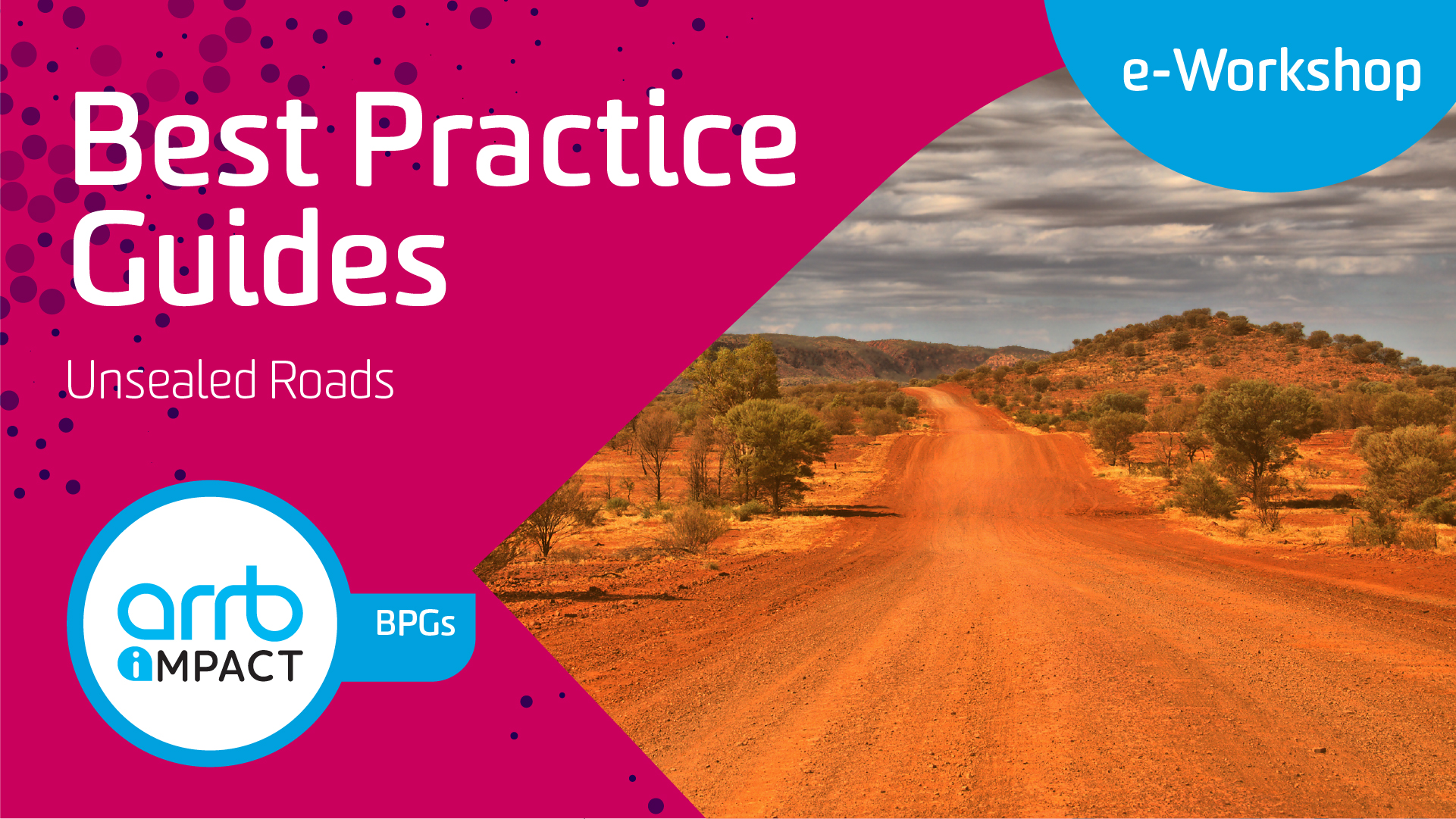
The Unsealed Roads Best Practice Guide was first published in May 2020 and captures current best practice in managing unsealed roads. The Guide is targeted at local governments (and other organisations) that are tasked with designing, constructing, and maintaining unsealed roads in Australia.
This e-workshop will provide participants with a comprehensive overview of the Guide, as well as practical training on the interpretation and application of the various elements covered in the Guide, including road safety and design, construction and maintenance, as well as managing and operating an unsealed road network.
Each module will be presented by a resident NTRO specialist and will include both technical background information and practical case studies.
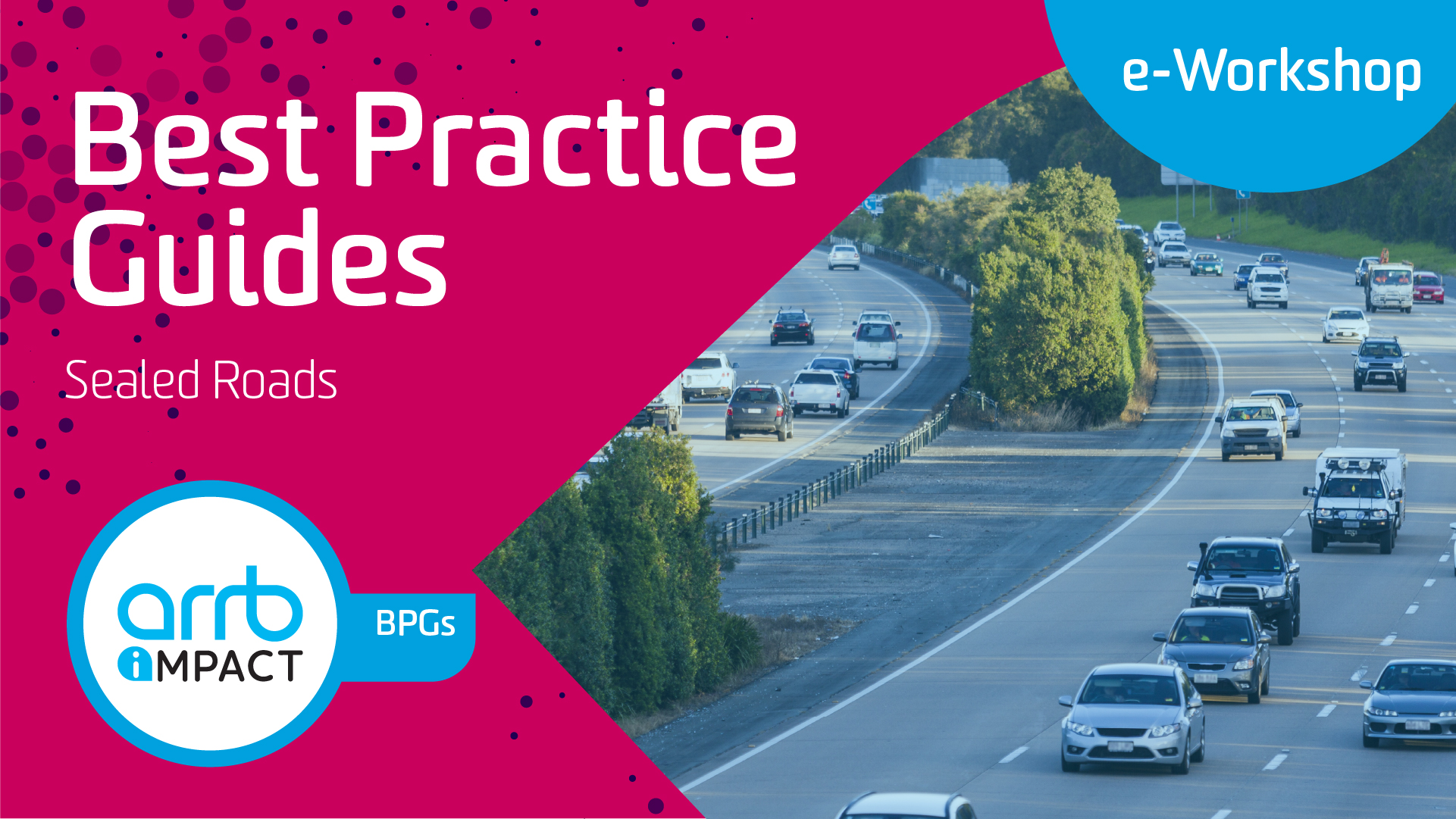
Australia’s population relies heavily on our road network for providing access to communities, enabling movement of goods and services, and facilitating educational, recreational and tourist pursuits.
With over a third of the cumulative network length consisting of sealed roads, it is important that their design, construction and ongoing condition is appropriately planned, executed and managed to ensure that road user safety and community expectations are satisfied.
This workshop is based on the Sealed Roads Best Practice guide content, and will assist participants in gaining an understanding and appreciation for the major aspects involved in the design, construction and management of sealed roads.
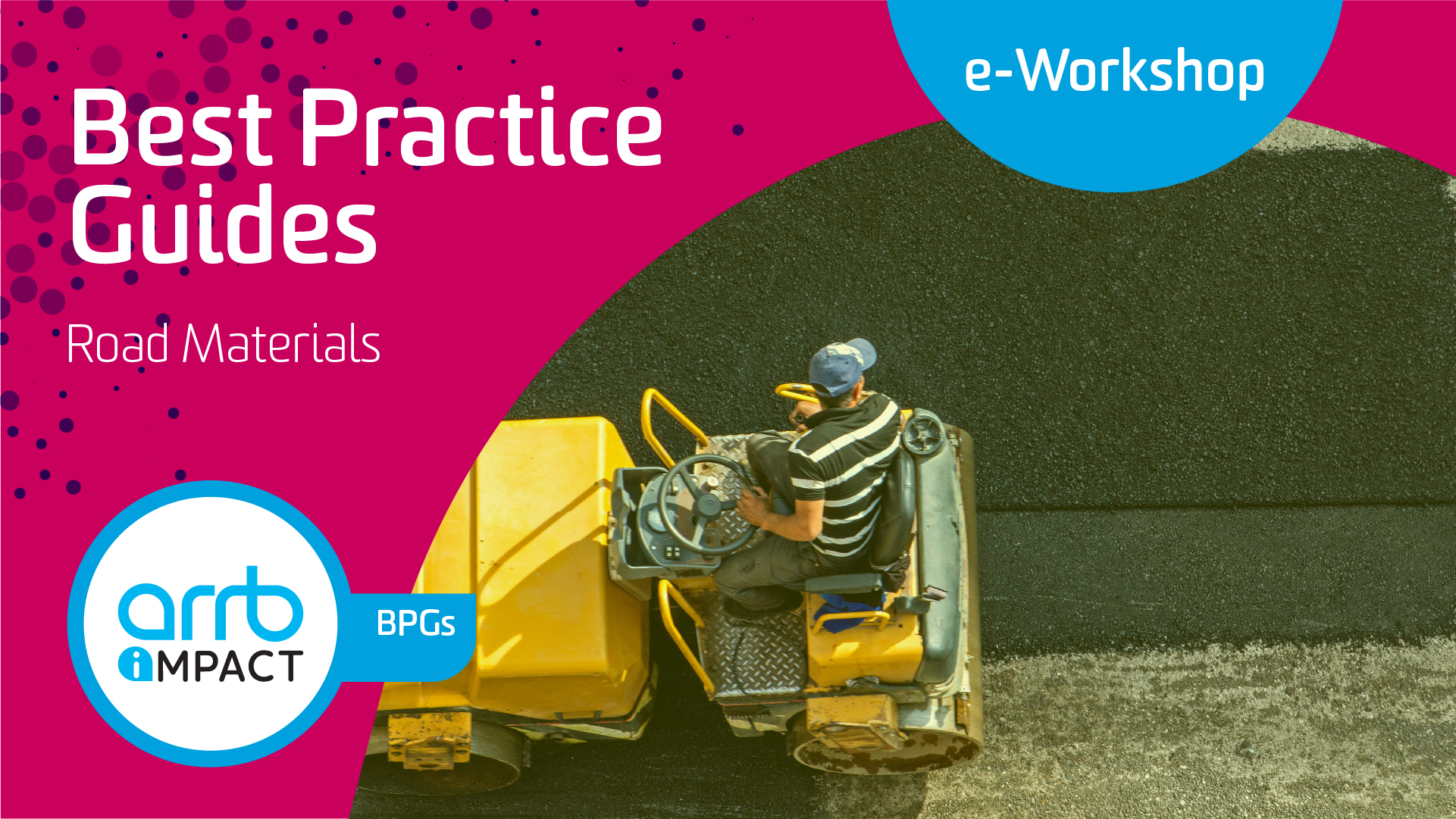
Zia Rice is joined by three of her colleagues in the delivery of this e-workshop which covers the contents of the NTRO best practice guide for road materials. The e-workshop consist of four modules which correspond to the four main chapter headings in the guide and aims to provide useful and practical information related to the best practice use of a range of road materials.
The e-workshop covers fit for purpose use of material, the different materials used within a pavement and the different pavement layers, the use of recycled materials as well as an introduction into laboratory testing and material characterisation. The e-workshop also covers sourcing, extraction, and specification of granular materials, in addition to stabilisation of materials and an introduction into field quality testing. There are several worked examples throughout the e-workshop to help consolidate the information which is covered, and also to demonstrate common processes undertaken during the design and construction
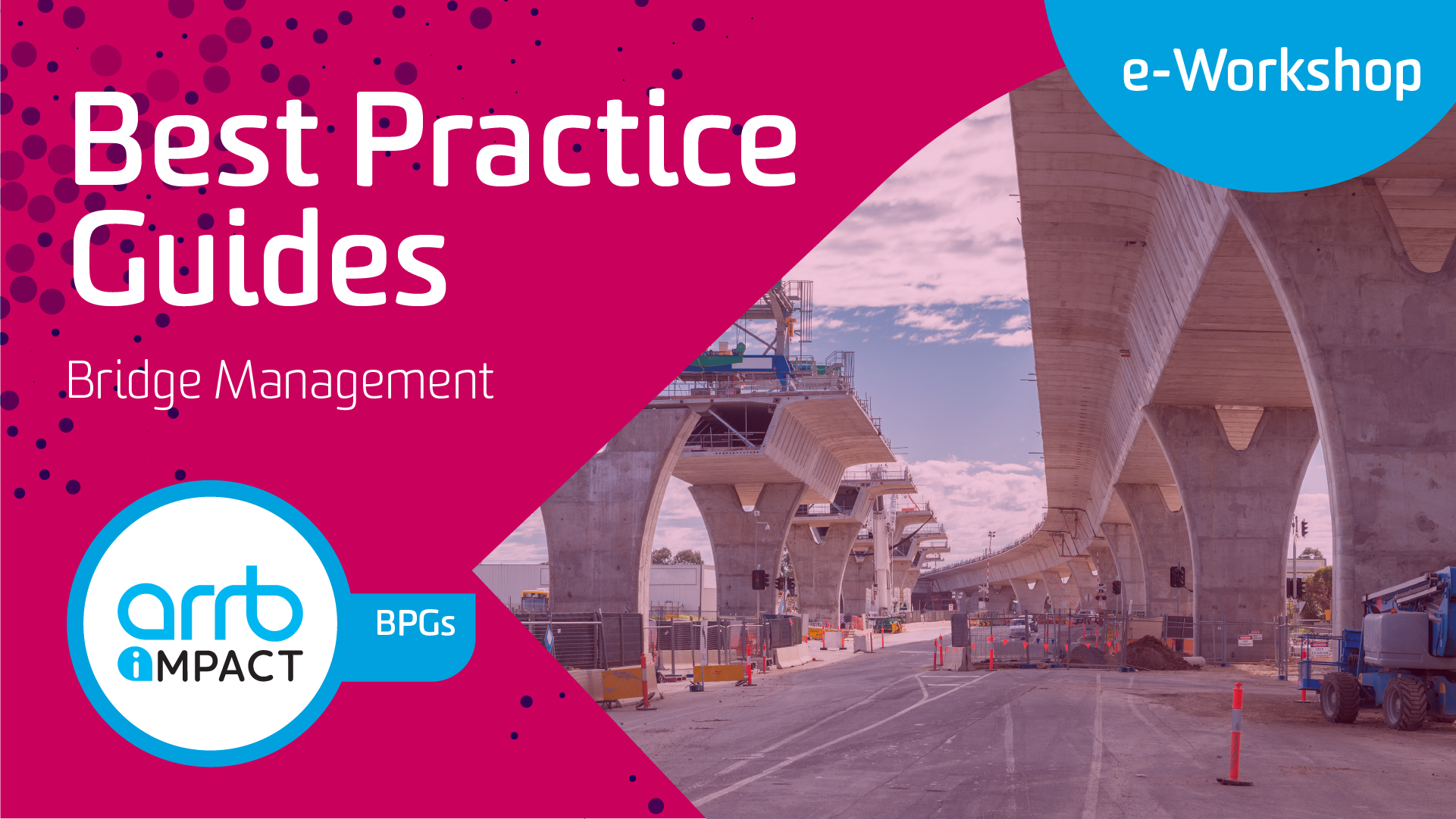
Bridges and other road structures are key elements of the asset base managed by local governments and similar asset owning organisations. Local governments have a responsibility to provide safe and reliable bridge access to the community while making best use of available resources. Bridge asset management is focused on managing structures over their life cycle while balancing the dimensions of performance, risk and cost in order to provide optimal value to stakeholders. This e-Workshop will assist participants to develop an understanding of key bridge management principles and the application of lifecycle activities including inspections, maintenance, structural evaluations and heavy vehicle access assessment.

Australia has some of the harshest weather extremes in the world – and it has the potential to significantly affect safety on our roads. This webinar will consider the contribution that various kinds of adverse weather can make to road crashes. Wind, extreme heat and intensive rainfall events all have the potential to increase the risk faced by the traveling public, and their influence will be discussed. A selection of risk mitigation measures will also be introduced. Insights into the effects of less common adverse weather such as frost, ice and snow will also be touched upon to provide a comprehensive coverage.
Presenters
- Paul Hillier - Principal Professional Leader, Structures and Certification, NTRO
- Adrian Runacres - UK based expert - Forensic Meteorologist
- Manager: Learnbook Administrator

Recycled rubber has been used in road construction for decades around the world. In Australia, the recycling crisis has only made it more important to reuse other waste products too in environmentally responsible and sustainable ways. Join NTRO’s Dr James Grenfell along with Melissa Lyons as they take a look at what is being done right now in road construction and what the future might hold – and how.
- Manager: Learnbook Administrator

Brook Hall, Principal Transport Economist at NTRO, outlines why LCA (Life-Cycle Assessment) methodology is such a vital tool for measuring a project’s lifetime resource inputs and outputs, and how this can be used to make recommendations and rankings for alternative options and make decisions. With the transport sector responsible for 17% of Australia’s greenhouse gas emissions, there’s never been a more important time to understand how to maximise the environmental and sustainability potential of new transport projects, policy and planning.
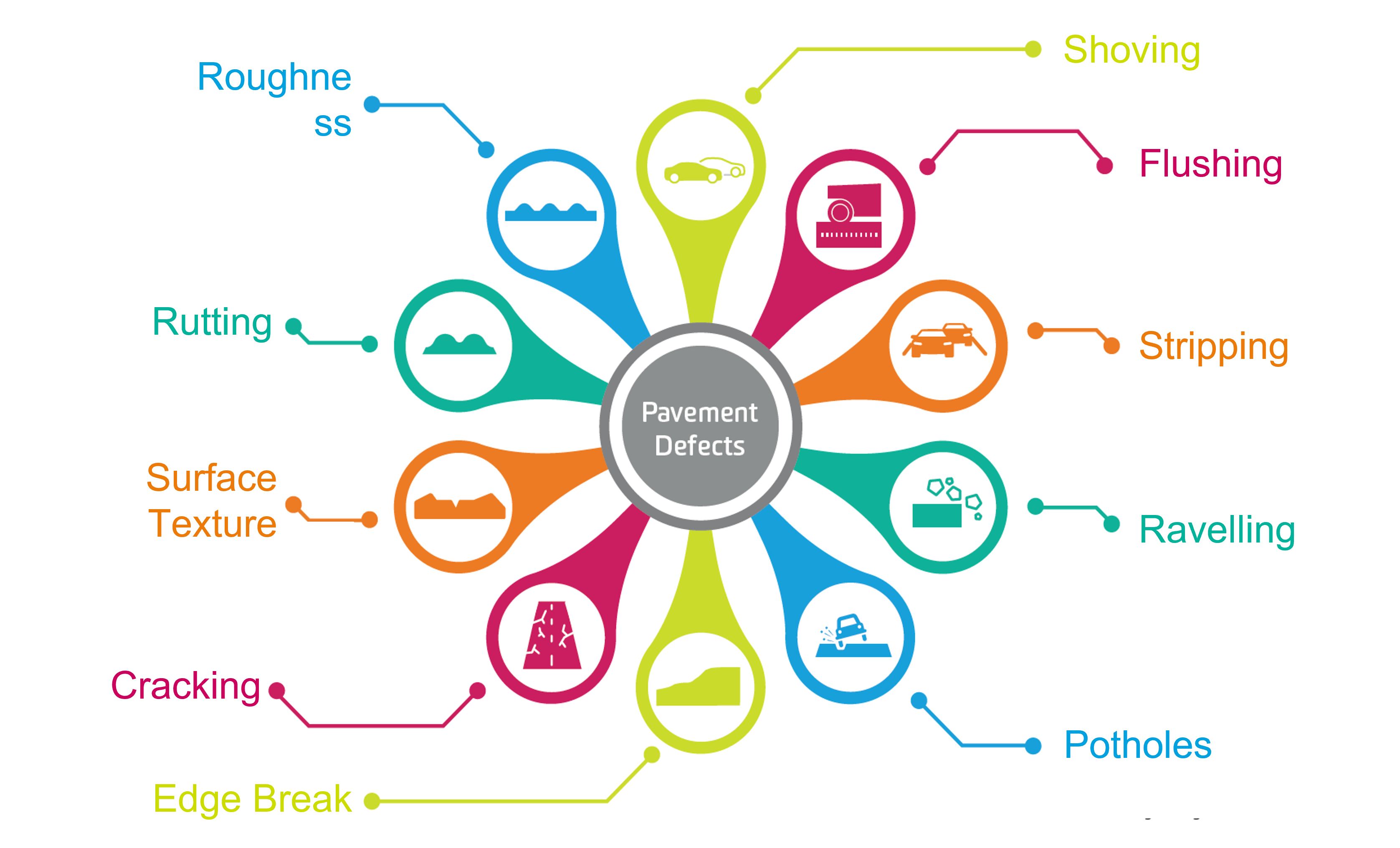
In our Introduction to Data Collection video we learned about the different categories of data that can be collected in a road survey and how NTRO’s vehicle fleet can do this. Take the next step with Georgia O’Connor, from NTRO’s Asset Performance team, as she takes a deeper look at the data types, how they can be analysed and what the benefits of those analyses can be for asset management.
- Manager: Learnbook Administrator

Understanding the functional and structural condition of a road is critical to maintaining its integrity, and that understanding comes from surveying the road itself. Join Richard Wix from NTRO’s Infrastructure Measurement team and Luke Warren, as they run through the different types of data that can be collected in a survey and the array of specialised vehicles that can be deployed to achieve this.
- Manager: Learnbook Administrator

NTRO is proud to present a series of short videos covering the basics of pavements.
Host Michael Caltabiano is joined by NTRO pavement discipline lead, Dr Michael Moffatt, to discuss Pavements 101.
Topics include "What is a pavement?", "How are they designed?", "Why roads fail", and "The new and innovative materials being used to make our roads stronger, and last longer."

Technology innovation is the biggest driver of transformation in transport. Having flipped from a horse-and-carriage infrastructure a hundred years ago to one that is now moving from combustion to electric engines, transport is changing at an increasingly rapidly pace. Join Dr Charles Karl, Mobility Leader at ARRB, and Samantha Taylor, National Partnerships Leader at ARRB, as they look at emerging transportation trends from drones and driverless cars to infrastructure and regulatory requirements – and their ramifications.

Transport modelling is used to strategise ‘What if…?’ scenarios when planning changes to transport networks in cities, providing important insights that inform potential corrective action. Join Neeraj Saxena, of the Mobility Futures team at ARRB, as he introduces large-scale transport modelling, including how it works, what that looks like, what it can achieve and the benefits it can bring.

Motorways are the major arteries of our road networks, carrying high volumes of traffic across long distances and supporting the economic productivity of our cities. Join Paul Bennett, of NTRO’s Asset Performance team, as he introduces the principles of motorway management, from productivity to capacity and where the various real-time management systems sit within the hierarchy of control – and why it matters.

Cycling is a healthy, environmentally friendly and efficient form of transport. It is also growing rapidly in popularity, with the rise of eBikes and shared-bike schemes making it more accessible to increasing numbers of people. Join David Green, of ARRB’s Mobility Futures team, as he introduces the various frameworks road managers can use to plan for the users of their road networks, with a particular focus on cyclists and why it matters.

Sources of new or ‘virgin’ construction materials are depleting and waste stockpiles are increasing. With growing opportunities to recycle waste materials into road infrastructure, how far have we come in developing these materials and what are the environmental considerations?
For over 30 years NTRO has led Australia’s research and
development in the use of recycled and alternative materials in road pavements.
We have worked with state and local government and the private sector to run
trials and enable the widespread use of recycled materials including crumb
rubber, plastics, glass, reclaimed asphalt pavement and crushed construction
and demolition waste.
This course introduces the context, concepts and principles
underlying this and provides a broad range of in-depth knowledge for
practitioners, researchers and industry partners in the framework of a local
circular economy.
The topics
Topic
1: Recycled materials in road infrastructure – the state of play
The first topic looks at the current use of recycled materials, including their types and how they are deployed. It then moves on to emerging materials and future considerations, such as the development of technical and performance-based specifications and a whole-of-life approach.
Topic
2: How the ban on exporting waste will lead to more sustainable transport
infrastructure for Australia
The second topic is a deeper dive into what has changed since the start of Australia’s recycling crisis, what triggered it and how the market reacted to it. It then considers future market developments, including the advancement of best practice, concluding with case studies that fill out these ideas.
Topic
3: Win-win-win: Recycled pavement materials that deliver sustainable, economic
and circular economy goals
The third topic introduces the three wins that the circular economy can bring – waste reduction, cost reduction and greenhouse-gas reduction. The presenters then introduce some of ARRB’s research findings to illustrate how these concepts manifest themselves in road infrastructure.
Topic
4: Preparing and conducting environmental assessments, management plans and
audits across road infrastructure projects.
The fourth topic looks at environmental management plans, risk assessments and audits in road infrastructure. After introducing ARRB’s Best Practice Guides to Road Materials, Unsealed Roads, Sealed Roads and Bridge Management, two cases studies then illustrate their real-life application.
- Manager: Learnbook Administrator
- Manager: Geoff Howard

This course introduces the context, concepts and principles underlying the practice of designing roads and how to provide a safe and more efficient road network for all road users in Australia, New Zealand and other developed countries.
The training consists of five topics including videos, reading and quizzes
Who should do the course?
Road design is a fundamental component in the development of the road network; thus having a basic understanding of the road design process, the challenges and constraints experienced during the design process will assist practitioners in the fields of pavements, asset management, maintenance, safety and mining to be a proactive contributor in a design team and enhance their knowledge to apply to their own engineering discipline. This training is beneficial to all graduates working for a road agency or consultant, or any experienced practitioner who wishes to refresh their understanding.
What are the topics?
Topic 1 - Overview of road design
The first topic covers the philosophy, principles and purpose of road design, with their link to the Safe System. Geotechnical issues will also be touched on in this session.
Topic 2 - Geometric Design
The next topic discusses geometric design principles in more detail; with specific focus on sight distance, cross sections, horizontal and vertical alignment, and the design of auxiliary lanes.
Topic 3 - Intersections and Roundabouts
Now it’s time to delve into best practice for designing intersections. Both urban and rural types and layouts will be examined, considering both signalised and unsignalised varieties and roundabouts.
Topic 4 - Drainage Design
Let’s not forget the importance of drainage design considerations in the road design process. Environmental considerations, urban and rural hydrology, pavements drainage, piped systems and culverts will be discussed.
Topic 5 - Roadside Design
The final topic discusses the safe and functional design of the roadside environment including safety mitigation strategies. The location and design requirements for pedestrian paths and cycling paths will also be considered.
This course is recognised by ENGINEERS AUSTRALIA for Continuing Professional Development.
Engineers Australia members can choose to record CPD hours for attendance at this event in their personal CPD logs. Members should refer to Engineers Australia’s CPD Policy for details of requirements and conditions.
Start Date: Start any time
Duration: 8 hours